Urban Green Spaces and Mental Well-Being in Canadian Cities.
Urban residents across Canadian cities are increasingly using local parks and green spaces to support their mental well-being, according to recent research examining how access to nature affects stress and psychological health. As urban populations grow and mental health concerns rise, researchers and city planners are paying closer attention to how everyday exposure to green environments influences quality of life. Studies conducted across Canada suggest that proximity to parks, trails, and biodiverse natural areas can play a meaningful role in reducing stress and supporting emotional well-being.
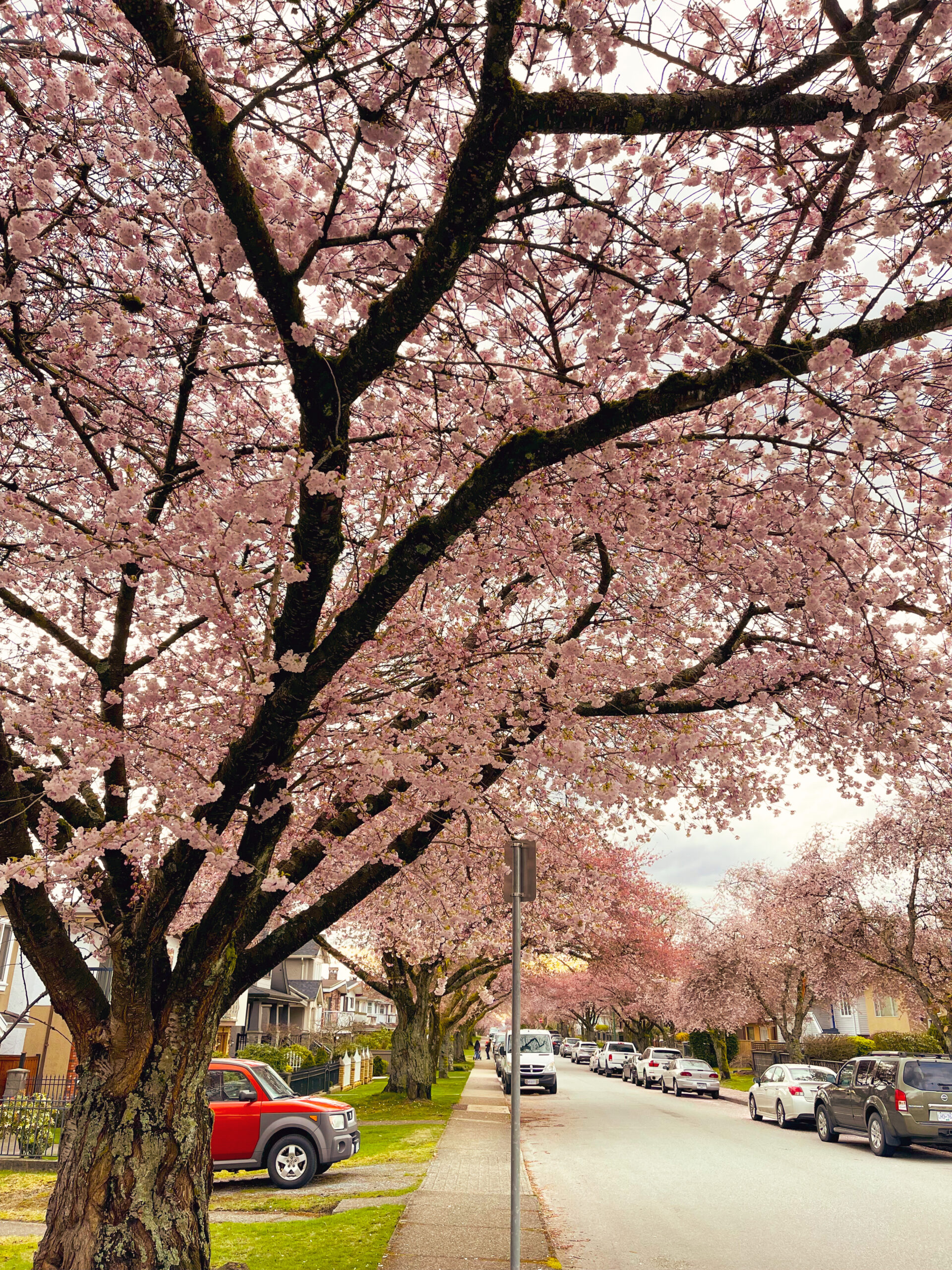
For many residents, interaction with green space happens through small, routine moments rather than structured activity. Walking along a trail, sitting on a park bench, or passing through a tree-lined street can provide short breaks from noise, traffic, and fast urban routines.
Research Links Nature to Mental Health
Canadian research continues to show measurable connections between biodiversity and psychological health. A study summarized by Buxton (2024) found that residents living in neighbourhoods with greater biodiversity reported lower levels of psychological distress and higher overall life satisfaction.
The research examined urban environments across multiple Canadian cities and compared mental health outcomes with environmental conditions.
“Access to biodiverse green spaces is strongly associated with improved mental well-being,” said researcher Rachel Buxton in a Springer Nature research summary.
The findings suggest that the quality of green space matters as much as its availability. Parks that support diverse plant and animal life may offer stronger mental health benefits than highly manicured or simplified landscapes.
Additional reporting on Canadian green space access during the COVID-19 pandemic found that residents living in greener neighbourhoods experienced lower levels of depression and stress compared to those with limited access to nature.
Access Remains Uneven
Despite growing recognition of these benefits, access to green space is not equal across cities. Some neighbourhoods have abundant parks and tree cover, while others have limited natural infrastructure.
Public health reporting indicates that proximity plays a key role in whether residents use green spaces regularly. When parks are located within walking distance, they are more likely to be used for daily stress relief rather than occasional recreation.
Urban planning decisions often determine which communities benefit most from biodiverse environments.
“City design plays a critical role in shaping mental health outcomes through environmental access,” Buxton noted.
This raises concerns about equity, particularly for lower-income or densely populated neighbourhoods where green space may be limited.
Cities Rethinking Green Infrastructure
As evidence grows, municipalities are beginning to reconsider how urban green spaces are designed and maintained. Rather than focusing only on the number of parks, planners are examining ecological quality.
Efforts such as preserving tree canopies, restoring native vegetation, and supporting wildlife habitats are being explored as ways to strengthen both environmental and human health outcomes.
Researchers suggest that biodiverse spaces may provide deeper restorative benefits by encouraging sensory engagement, reflection, and emotional connection to place.
Looking Ahead
As Canadian cities continue to expand, the relationship between nature and mental well-being is expected to remain a key public health consideration. Research linking biodiversity to improved psychological outcomes is influencing how planners, policymakers, and health advocates view urban design.
While green spaces are not a replacement for mental health services, they are increasingly recognized as a preventative support embedded within everyday environments. Future planning decisions that prioritize accessible, biodiverse green spaces may play an important role in building healthier and more resilient urban communities.
References:
Medical Xpress. (2025, August). Access to green space a mental health lifeline during COVID-19 pandemic, research reveals. https://medicalxpress.com/news/2025-08-access-green-space-mental-health.html
Buxton, R. (2024, June 11). The association between mental health and biodiversity. Springer Nature Research Communities. https://communities.springernature.com/posts/the-association-between-mental-health-and-biodiversity
UPI. (2025, August). Access to green spaces helped guard against depression during pandemic. UPI. https://www.upi.com/Health_News/2025/08/22/depression-COVID-19-pandemic-green-spaces-study/7971755867467/